Türkçe
 Deutsch

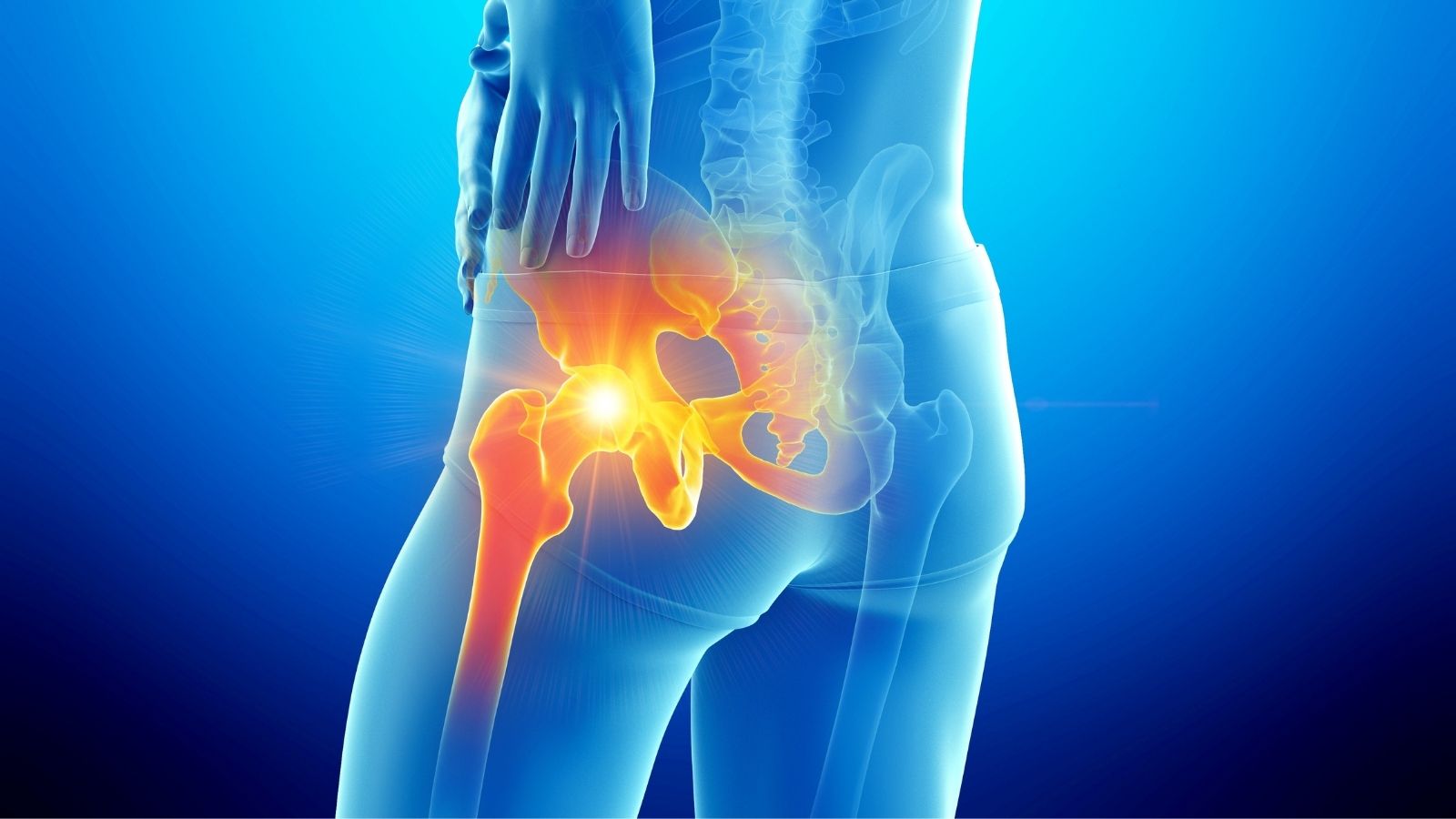
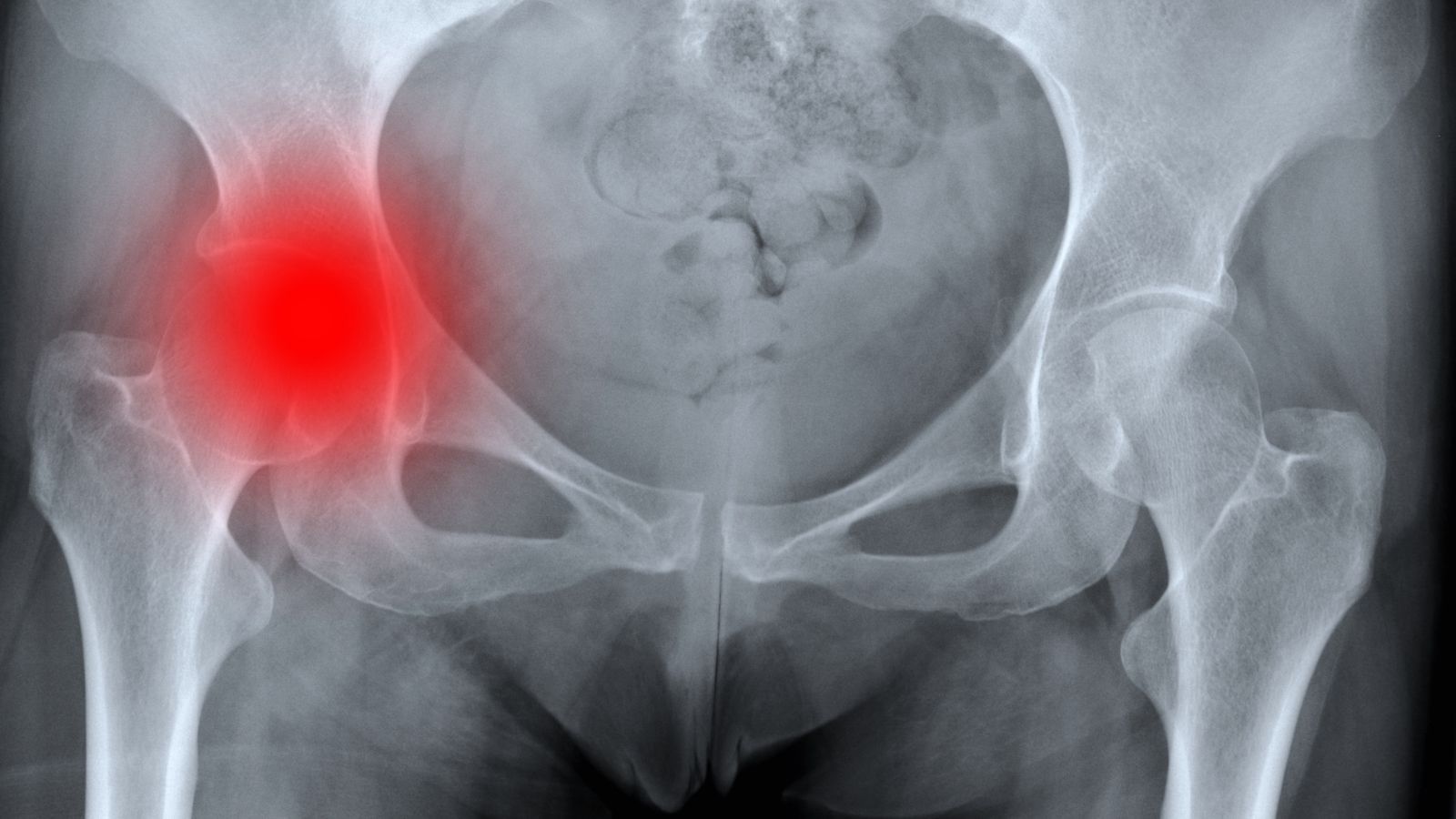
Hip disorders and pain occur due to damage to the cartilage, muscle, ligament, and bone structures within the joint. The most common causes include osteoarthritis, hip dysplasia, cartilage wear, and trauma. Pain significantly reduces quality of life.
Causes of hip pain include age-related osteoarthritis, rheumatic diseases, and excessive weight. These conditions restrict joint movement and may lead to permanent joint damage over time. Early diagnosis and regular follow-up are highly important for successful treatment.
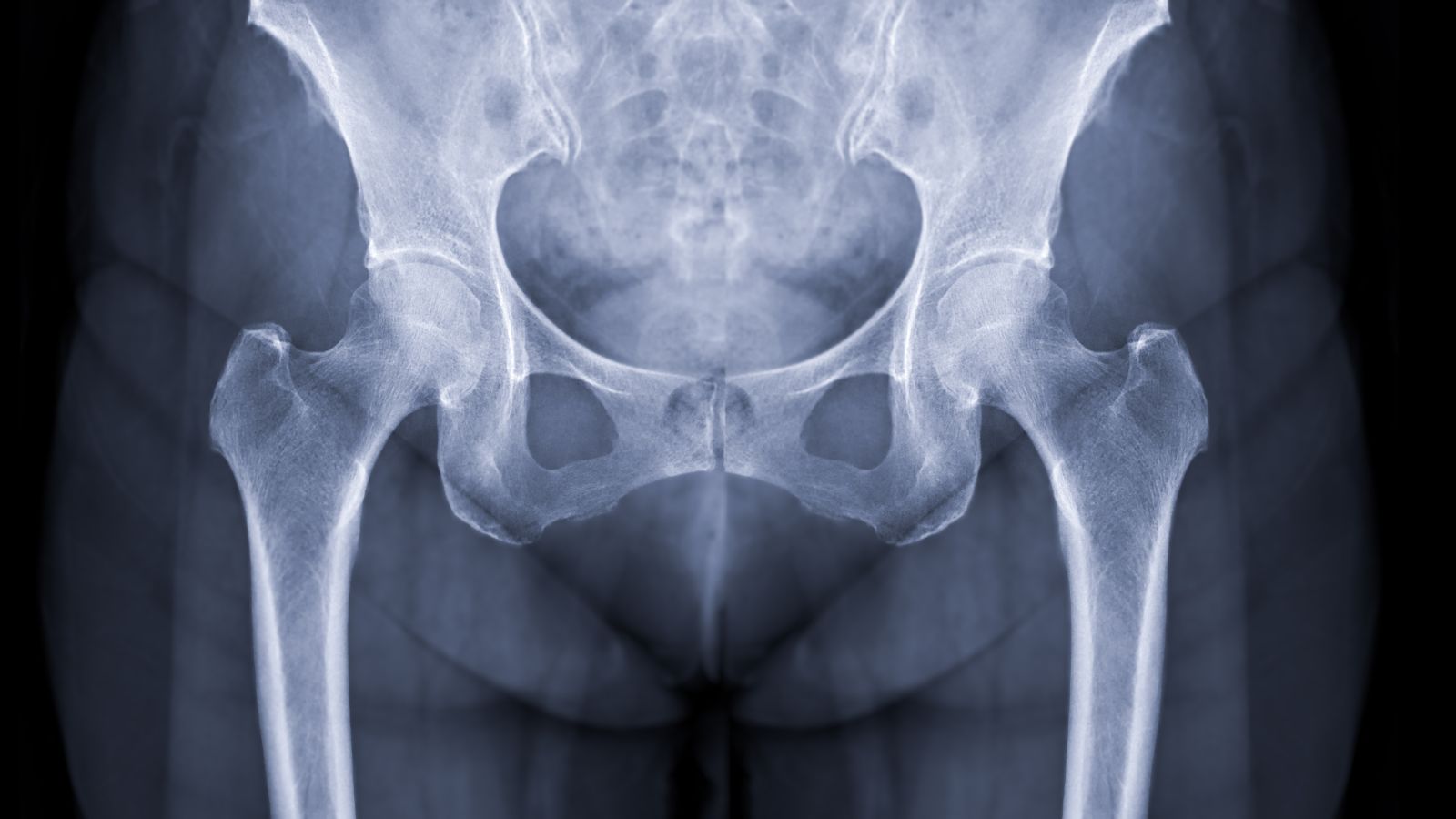
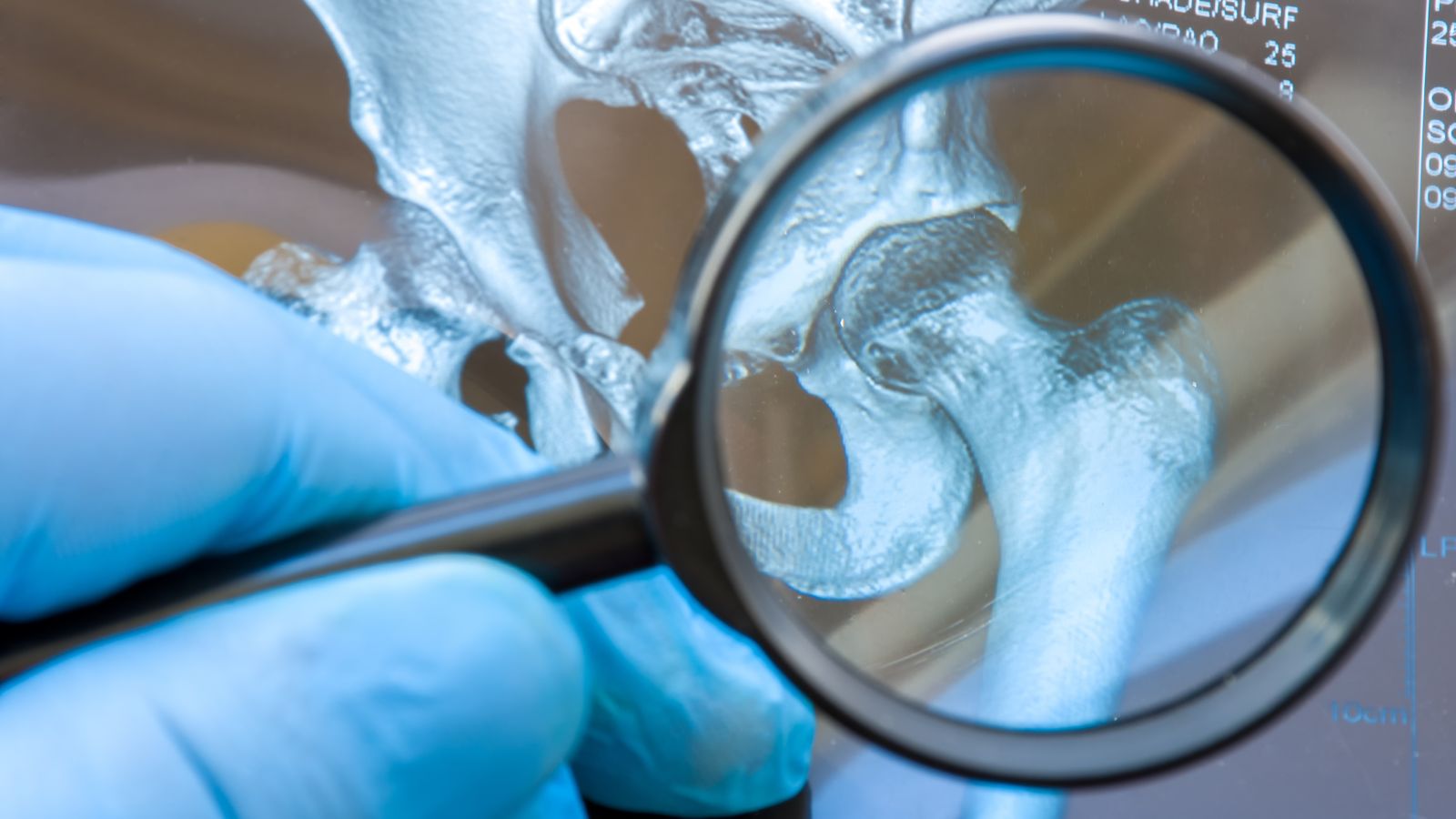
The diagnosis of hip disorders involves detailed examination, imaging methods, and laboratory tests. Magnetic resonance imaging (MRI) and X-rays, in particular, help evaluate joint structures in detail. Accurate diagnosis forms the basis of an appropriate treatment plan.
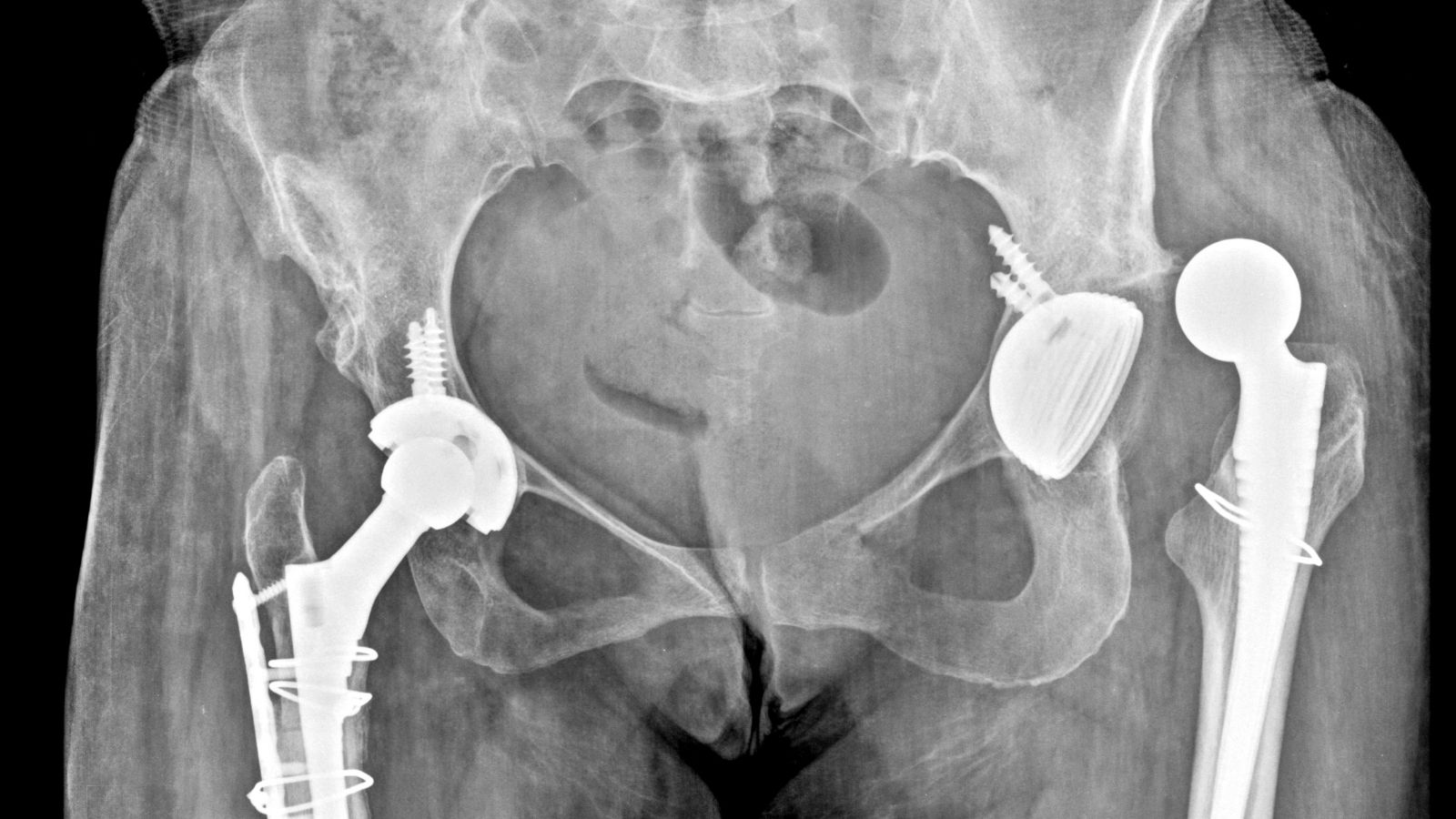
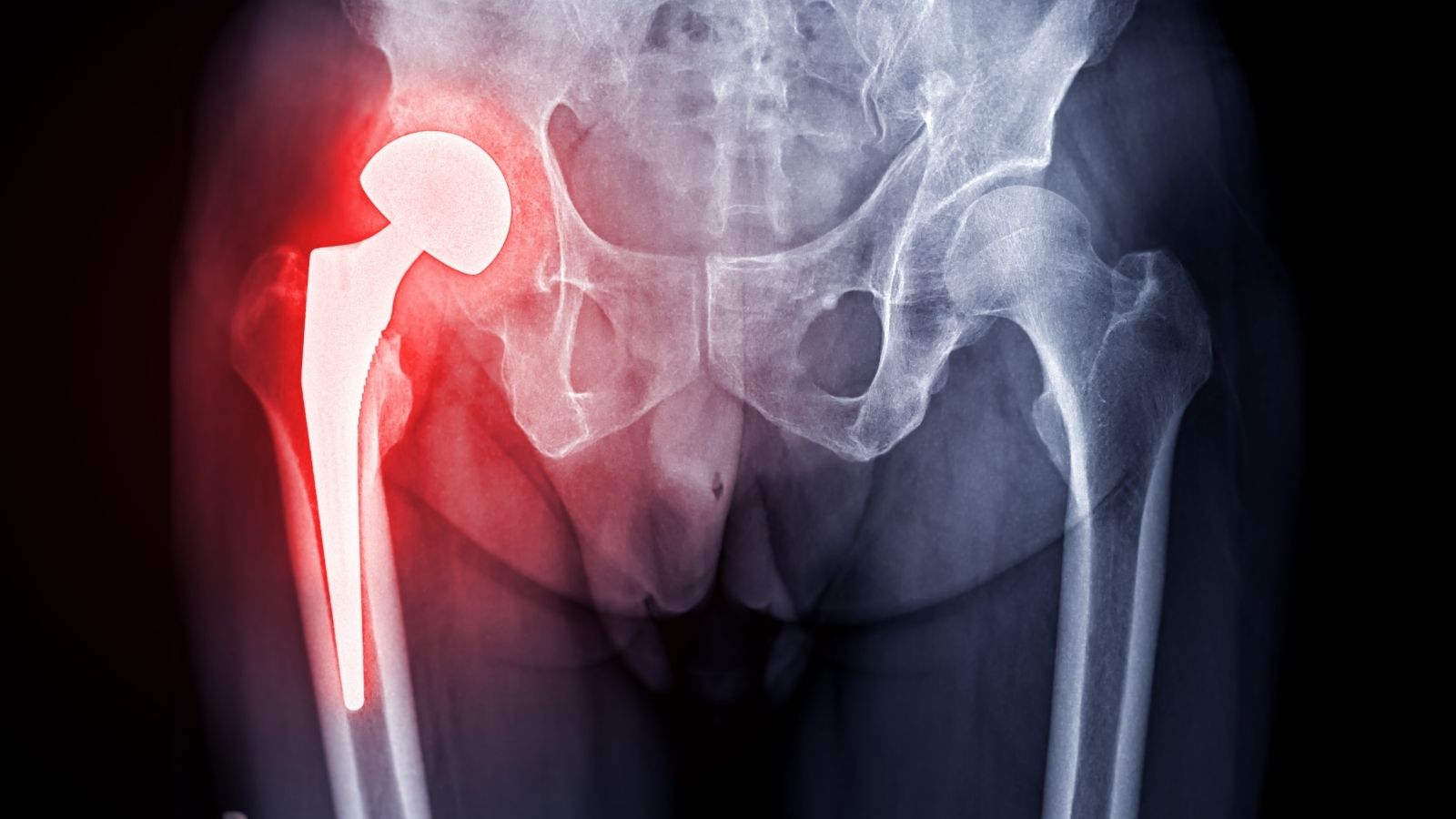
Treatment of hip pain includes medication, physical therapy, injection therapies, and surgical options. While conservative methods are preferred in early stages, hip replacement surgery can significantly improve quality of life in advanced cases.