
 Türkçe
 Deutsch

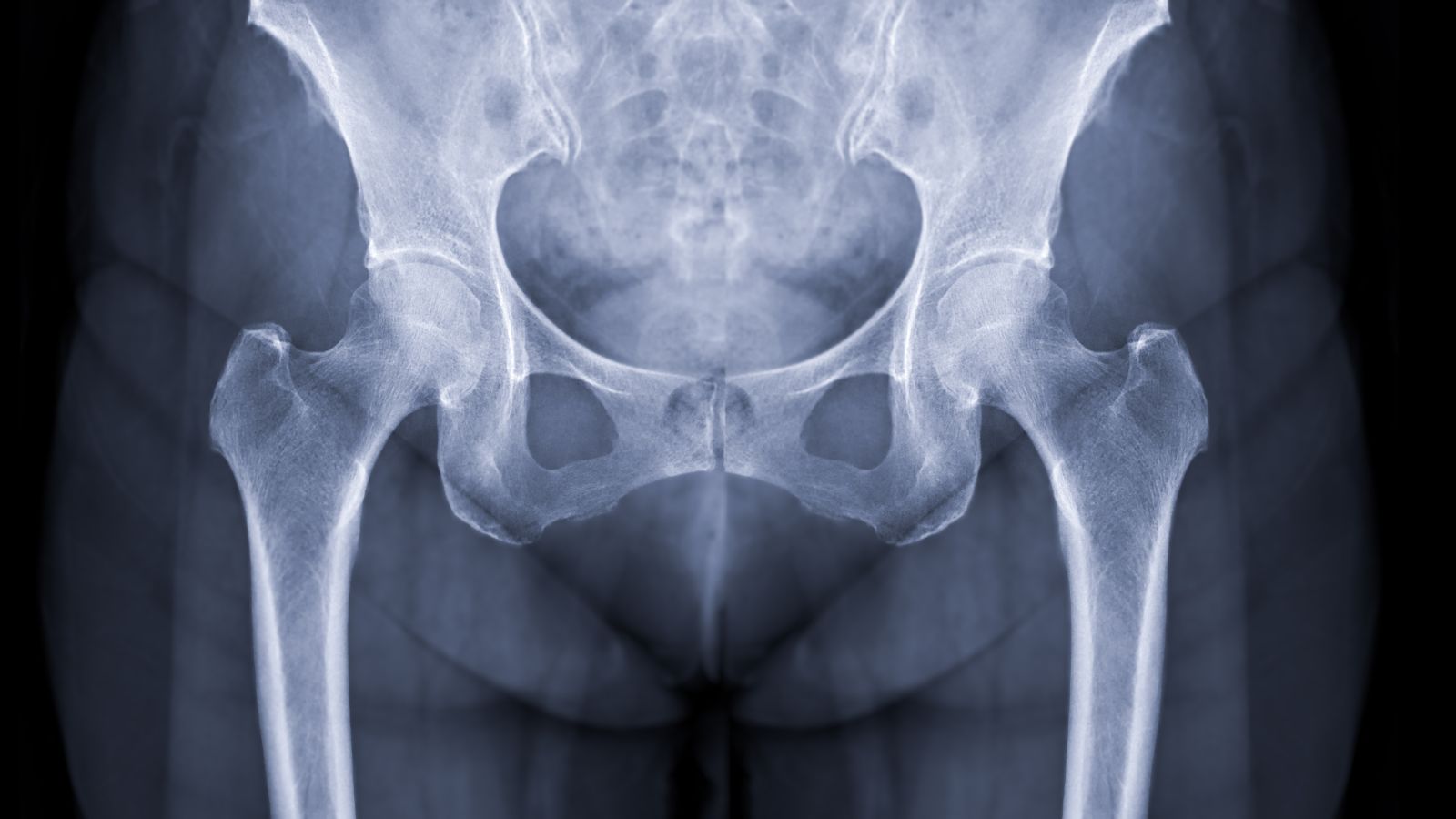
As one of the best orthopedic doctors in Ankara who treats trochanteric bursitis, Prof. Dr. Murat Demirel stands out with his many years of experience in the diagnosis and treatment of this condition, which occurs as a result of the inflammation of fluid-filled sacs called bursae located on the outer side of the hip joint. Trochanteric bursitis causes pain in the hip area, especially during activities such as long walks, running, or climbing stairs, and can significantly reduce the quality of life if left untreated. Prof. Dr. Demirel offers personalized treatment plans to his patients in highly equipped and hygienic medical centers among hospitals in Ankara that provide trochanteric bursitis treatment.
During the treatment process, modern methods such as rest, medication, physical therapy applications, PRP injections, or corticosteroid injections are preferred. In necessary cases, surgical interventions may also be applied. After the treatment of trochanteric bursitis, a rapid, safe, and permanent recovery is ensured with the doctor’s recommendations. Additionally, transparent and up-to-date information regarding trochanteric bursitis treatment prices in Ankara is provided to help patients make informed decisions. You can schedule an appointment to protect your hip health, reduce your pain, and make your daily life more comfortable.
| Disease Name | Trochanteric Bursitis |
| Affected Area | The bursa located at the greater trochanter (outer side of the hip) |
| Symptoms | Pain on the outer side of the hip, increased pain when lying down, difficulty walking, pain while climbing stairs |
| Diagnosis Methods | Physical examination, ultrasound, MRI |
| Causes | Overuse, trauma, long-term unilateral loading, muscle imbalances |
| Risk Factors | Older age, female sex, lower back and knee problems, leg length discrepancy |
| Treatment Methods | Rest, ice application, NSAIDs, physical therapy, steroid injection |
| Surgical Options | Rarely surgical decompression (in cases unresponsive to conservative treatment) |
| Complications | Chronic pain, limited movement, recurrent bursitis attacks |
| Recovery Process | Usually improves within 4–6 weeks with conservative treatment |
| Prevention Methods | Proper exercise techniques, avoiding excessive strain, weight control |
| Follow-up Process | Physical therapy assessment, continuation of exercises, recurrence monitoring |
Contact us for detailed information and an appointment!
Yazı İçeriği
What Is Trochanteric Bursitis?
Trochanteric bursitis is the inflammation of a fluid-filled sac called a bursa located on the outer side of the hip. It usually develops as a result of prolonged repetitive movements, falls, or excessive strain. Pain, tenderness, and increased discomfort when lying down on the affected side are the most common symptoms. Treatment may include rest, physical therapy, medications, and in some cases, injections. With early intervention, symptoms are usually brought under control.
Why Is Trochanteric Bursitis Not Just a Simple Bursa Inflammation?
One of the structures that shows how intelligently our body is designed is the small sacs called “bursae.” You can imagine them as small, jelly-filled cushions that prevent friction between moving parts. They are found especially around joints, in areas where bones and tendons rub against each other. Trochanteric bursitis, in its simplest definition, is the inflammation of the bursa located above the bony prominence (the greater trochanter) you feel when you place your hand on the outer side of your hip. This inflammation causes pain, tenderness, and swelling in the area.
However, recent scientific studies have shown that in many patients with lateral hip pain, the problem is not limited to this small sac alone. In fact, inflammation of the bursa is often just the visible tip of the iceberg. For this reason, instead of the term “trochanteric bursitis,” the medical world now prefers to use the concept of Greater Trochanteric Pain Syndrome (GTPS), which more accurately defines the condition. So, what does this mean?
This syndrome is an umbrella term that includes not only inflammation of the bursa but also problems in much more important structures in the area. On the outer side of the hip, there are structures that work together harmoniously, almost like a neighborhood. The most important residents of this neighborhood are the tendons of the gluteus medius and minimus muscles, which allow us to abduct the hip. In GTPS, the main problem usually begins in these tendons. Wear and tear, weakening (tendinopathy), or small tears that develop over time disrupt the biomechanical balance of the area. As this balance is lost, the bursa located directly above these tendons is negatively affected and becomes inflamed secondarily due to continuous abnormal friction and pressure.
Making this distinction is vital because if treatment targets only the inflammation in the bursa—merely suppressing the pain temporarily—the underlying tendon problem can be overlooked. This explains why the pain often recurs. Effective treatment should not only extinguish the inflammation in the bursa but also address the main underlying tendon problem and restore the harmonious function of all structures around the hip. Therefore, if you have lateral hip pain, it is important to remember that this may be a simple issue but can also be a sign of a more complex syndrome requiring detailed evaluation.
What Factors Contribute to the Development of Trochanteric Bursitis?
Trochanteric bursitis or GTPS is usually not caused by a single factor but is a “wear-and-tear” or “overuse” problem that arises from multiple factors coming together. Anything that disrupts the delicate balance on the outer side of the hip can contribute to its development. Let’s take a closer look at the main causes and risk factors.
The most common triggers include:
Repetitive Movements and Overuse: This is the most frequent cause. Using a part of the body above its capacity and continuously leads to microtraumas.
Direct Hip Trauma: A sudden blow to the outer side of the hip can cause acute inflammation of the bursa.
Biomechanical and Postural Problems: Any defect in the body’s mechanics causes the load to be distributed incorrectly around the hip.
Underlying Health Conditions: A problem elsewhere in the body can indirectly affect the hip.
When we talk about repetitive movements, we should not think only of athletes. Of course, people who run long distances, cycle frequently, or go up and down stairs often are at increased risk. Mistakes such as suddenly increasing training intensity or duration, insufficient warm-up, or running on a slanted path can cause tension in the iliotibial band (a thick connective tissue running from the hip to the knee) and excessive friction on the bursa. However, a shop attendant who stands all day, a teacher, or a factory worker faces similar risks.
Direct trauma is simpler: a fall, a blow received during sports, or hitting the hip against a hard surface may trigger inflammation of the bursa. Sometimes even lying on the same side for hours during a long trip or illness can cause this condition.
Biomechanical problems, on the other hand, are more subtle and long-term. For example, having one leg significantly shorter than the other causes the pelvis to tilt to one side during walking, leading to excessive loading on the hip structures on that side. Similarly, a problem such as flat feet changes your walking pattern, increasing the stress on the hip. Weak core muscles that fail to stabilize the body’s center result in the hip joint bearing more workload.
Lastly, we should not forget the role of underlying medical conditions. Conditions such as lumbar disc herniation or osteoarthritis of the lumbar spine alter gait patterns due to nerve compression or pain avoidance. This altered gait disrupts hip biomechanics, paving the way for trochanteric bursitis. Systemic inflammatory conditions such as rheumatoid arthritis can also increase the likelihood of bursitis throughout the body.
You may be more prone to developing trochanteric bursitis if you have one or more of the following risk factors:
- Being between the ages of 40–60
- Female sex (due to a wider pelvis)
- Being overweight or obese (increases load on the hip)
- History of hip surgery or hip prosthesis
- Scoliosis (spinal curvature)
- Leg length discrepancy
- Diabetes or thyroid disorders
What Signals Does My Body Give in the Presence of Trochanteric Bursitis?
The symptoms of trochanteric bursitis are usually very typical, and patients report similar complaints. Recognizing these symptoms early is very important to prevent the condition from becoming chronic. You should pay attention to these signals your body is giving you.
The most common symptoms of trochanteric bursitis include:
- Pain on the outer (lateral) side of the hip
- Pain radiating to the outer thigh and toward the knee
- Severe tenderness when touching or pressing the affected area
- Increased nighttime pain when lying on the affected side
- Sharp pain when taking the first steps after standing up from long sitting
- Pain increasing with walking
- Pain when going up or down stairs
- Pain triggered by crossing legs
- Rarely, swelling or warmth in the area
The most troublesome of these symptoms is undoubtedly nighttime pain. Patients often say, “Doctor, no matter which side I turn to, I can’t sleep because of the pain.” When you lie on the affected side, the inflamed bursa and tendons become compressed between the mattress and the bone, causing intense pressure pain. This severely disrupts sleep quality, affecting daily energy and emotional well-being.
Another typical symptom is the “start-up pain.” When you stand up after sitting in a chair for a long time, the sharp pain and stiffness you feel in your hip during the first few steps are an important sign of trochanteric bursitis. After a period of inactivity, the inflamed tissues becoming active again triggers this pain.
Activity-related pain is also significant. At first, the pain may appear only during long walks or running, but as the condition progresses, it can occur even during simple activities such as going to the market or walking around the house. Climbing stairs increases the pain significantly because it places extra stress on the hip muscles and tendons.
If, in addition to these symptoms, you notice redness, obvious swelling, or fever in the hip area, this may be a sign of septic bursitis, an infection that requires urgent medical intervention. In such cases, you must seek medical attention without delay.
Contact us for detailed information and an appointment!
How Is Trochanteric Bursitis Evaluated for an Accurate Diagnosis?
Since lateral hip pain can have many different causes, accurate diagnosis is the key to proper treatment. The diagnosis of trochanteric bursitis is made through a detailed process in which we bring together clues, almost like a detective. This process typically consists of three main steps: listening to the patient’s medical history, performing a comprehensive physical examination, and utilizing imaging methods when necessary.
Medical History (Anamnesis)
First, we carefully listen to you. This is the most important step of the diagnostic process. When and how your pain started, where it is located, its character (sharp, aching, burning), its severity, and the areas it radiates to are all valuable details. We ask questions such as: “What increases or decreases the pain? Does it wake you up at night? Which movements are difficult for you? Have you had a recent fall or started a new sport?” We also gather information about your occupation, daily habits, previous surgeries, and other health problems (like lumbar herniation or rheumatism). This conversation guides us in identifying possible causes and making a differential diagnosis.
Physical Examination
The next step is a careful examination of your hip and entire leg.
Palpation (Manual Examination): One of the most important findings is pronounced tenderness when we press with our finger on the greater trochanter on the outer side of your hip. This strongly supports the diagnosis.
Range of Motion Tests: We assess the mobility of your hip joint. By moving your leg in various directions (inward, outward, upward) or asking you to resist certain movements, we observe whether the pain occurs. For example, pain felt when resisting hip abduction suggests a possible problem in the gluteal tendons.
Special Tests: With special maneuvers such as the Trendelenburg test, we evaluate the strength of your hip-stabilizing muscles. We observe your gait to detect any limping or abnormalities, which provide important clues about hip muscle weakness.
Lumbar Examination: Since lateral hip pain often originates from the lower back, we also examine the lumbar spine.
Imaging Techniques
Although diagnosis is often made clinically, imaging methods may be used to confirm the diagnosis, understand the extent of the condition, or exclude other potential causes.
X-ray: It does not show bursitis or tendon problems. However, it helps rule out fractures, arthritis, or calcium deposits, making it one of the first tests requested.
Ultrasound (USG): This is a practical and effective method for evaluating soft tissues. With ultrasound, we can dynamically (during movement) visualize fluid build-up, wall thickening of the bursa, and—most importantly—damage, edema, or tears in the gluteal tendons. It also guides us during injection treatments to ensure accurate placement.
Magnetic Resonance Imaging (MRI): MRI is the gold standard imaging method for soft tissues. If the treatment does not yield results or if a tendon tear is suspected, MRI is ordered. A trochanteric bursitis MRI reveals not only inflammation in the bursa but also tendon structure, potential tears, bone marrow edema, and other intra-articular pathologies. This greatly assists in shaping the treatment plan.
What Are the Non-Surgical Treatment Options for Trochanteric Bursitis?
The vast majority of trochanteric bursitis and GTPS cases can be healed without surgery with patience and a proper treatment plan. The main philosophy of treatment is not only to suppress the pain but also to resolve the underlying mechanical problems causing the pain and activate the body’s own healing potential. This process often requires a multidisciplinary approach involving multiple treatment methods.
- First Step: What You Can Do at Home and Lifestyle Changes
- The most important part of treatment is your active participation. You must allow your body the opportunity to rest and heal.
- Activity Modification: You should temporarily avoid any activity that triggers your pain—running, long walks, or climbing stairs. “Pushing through the pain” is not the correct approach.
- Ice Application: Especially during the initial days of severe pain, applying an ice pack wrapped in a towel to the affected area for 15 minutes, 3–4 times a day, is highly effective.
- Proper Positions: When lying on your side, placing a pillow between your legs prevents tension on the hip. Avoid lying on the painful side. Do not cross your legs while sitting for long periods.
- Weight Control: If you are overweight, losing even a small amount significantly reduces the load on your hip. This is one of the most important contributions you can make to successful treatment.
Medications
To control pain and inflammation, your doctor may recommend certain medications.
Non-steroidal anti-inflammatory drugs (NSAIDs) help relieve pain and reduce inflammation. However, since they may have side effects on the stomach and kidneys, they must be used under medical supervision and only for the recommended duration and dose.
Topical forms of these medications, such as gels or creams, may also provide local relief.
What Are Trochanteric Bursitis Exercises?
Physical therapy is an essential part of trochanteric bursitis treatment. The aim is to correct muscle imbalances around the hip, increase flexibility, restore tendon load tolerance, and eliminate the root cause of the issue. A personalized program planned by a physiotherapist may include:
- Manual Therapy Techniques
- Personalized Stretching Exercises
- Progressive Strengthening Exercises
- Biomechanics and Gait Training
- Taping Techniques
Initially, gentle stretching movements are performed to relax tight muscles (especially the iliotibial band and hip muscles). Then comes the most important part: strengthening the weak stabilizing hip muscles (especially the gluteus medius). These exercises begin with simple isometric contractions and gradually progress to more challenging, functional movements. Remember, strong hip muscles act as natural shock absorbers that reduce the load on the region. Physical therapy is not just a few sessions but a habit you should learn and integrate into your life.
Injection Treatments
If the above treatments are insufficient or the pain is severe, injection therapies may be considered.
- Corticosteroid Injection: This involves injecting a powerful anti-inflammatory medication directly into the inflamed bursa, usually under ultrasound guidance. It can quickly relieve pain and inflammation, helping patients perform physical therapy more comfortably. However, its effects are usually temporary and do not address underlying tendon issues, so repeated injections are avoided.
- Platelet-Rich Plasma (PRP) Injection: This is a modern biological treatment method. Plasma enriched with platelets (healing cells) obtained from the patient’s own blood is injected into the damaged tendon or around the bursa. PRP stimulates tissue repair by activating the body’s natural healing mechanisms. It offers a more targeted and lasting solution, especially in chronic tendon damage (tendinopathy). Scientific studies show that PRP provides more successful long-term results compared to corticosteroids.
- Extracorporeal Shock Wave Therapy (ESWT): This modern treatment method uses sound waves applied from outside the body. These shock waves increase blood flow in the damaged tissue and help resolve chronic inflammation. It can be an effective option, especially in long-term, treatment-resistant cases.
When Does Trochanteric Bursitis Require Surgical Intervention?
Surgical treatment is very rarely required for trochanteric bursitis. Surgery is considered as a last resort when all non-surgical treatment options have been tried for at least 6–12 months without success. Surgical decisions are made when pain severely affects daily life and sleep quality, functional loss is evident, and imaging reveals a clear structural problem requiring surgery (such as a full-thickness tendon tear).
If surgery is decided, these procedures are now typically performed using minimally invasive, endoscopic (closed) methods. In this technique, the surgeon accesses the hip through several small (about 1 cm) incisions using a thin camera and specialized instruments. Compared to open surgery, this method offers less tissue damage, less postoperative pain, faster recovery, and better cosmetic results.
Procedures that can be performed during surgery include:
Bursectomy: Removal of the inflamed and thickened bursa.
Iliotibial Band Release: Releasing part of the tight IT band causing excessive pressure on the bursa and tendons.
Tendon Repair: If there is a tear in the gluteus medius or minimus tendons, it is repaired with special sutures and anchors (bone fixators).
Smoothing of Bone Irregularities: Sometimes bony protrusions irritating the tendons near the greater trochanter are shaved down.
After surgery, physical therapy and rehabilitation are essential for a successful outcome. Surgery corrects the structural problem, but regaining muscle strength and function requires committed participation in rehabilitation.
Türkiye’nin En İyi Yapılan Ülke Olmasının Sebepleri
Türkiye, 'nde deneyimli cerrahları, ileri teknolojik donanıma sahip hastaneleri ve yüksek başarı oranlarıyla dikkat çeker. Özellikle İstanbul, Ankara ve İzmir’deki özel hastaneler; modern ameliyathaneleri, gelişmiş görüntüleme sistemleri ve uluslararası akreditasyonlarıyla öne çıkar. Avrupa’ya kıyasla daha uygun maliyetler, kısa bekleme süreleri ve medikal turizme yönelik özel hizmetler de Türkiye’yi yabancı hastalar için cazip bir seçenek haline getirir.
Güncel Fiyatları 2026
fiyatları ameliyatın yapılacağı hastaneye, hastanın durumuna göre değişmektedir.
Ankara'da Yapan Doktorlar & Hastaneler
Ankara'da ortopedi doktorları tarafından uygun alt yapıya sahip Ankara'da yapan özel hastanelerde veya devlet hastanelerinde yapılır.
Olanların Yorumları
Prof. Dr. Murat Demirel'in yorumları için Google Haritalar veya Doktortakvimi'ni ziyaret edebilirsiniz.
Frequently Asked Questions
What is trochanteric bursitis and how does it occur?
Trochanteric bursitis is the inflammation of fluid-filled sacs called bursae located on the outer side of the hip bone (trochanter region). It typically develops due to repetitive movements, prolonged sitting or lying down, falling, direct impact on the hip, leg length discrepancy, or weakness of the hip muscles. It is more common in middle-aged and older women.
What are the symptoms of trochanteric bursitis?
The most prominent symptom is pain and tenderness on the outer side of the hip. Pain often increases when lying down, climbing stairs, standing for long periods, or running. Sometimes, there may be radiating pain from the hip to the leg, which may even wake the patient at night.
How is trochanteric bursitis diagnosed?
Diagnosis is usually made by listening to the patient’s complaints and performing a physical examination. Tenderness on the outer side of the hip and pain triggered by certain movements are typical. In doubtful cases, imaging methods such as ultrasound or MRI may be used.
What treatment methods are used for trochanteric bursitis?
Treatment primarily includes rest, painkillers, anti-inflammatory medications, ice application, and physical therapy. Exercises that strengthen the hip muscles are particularly effective. In severe and resistant cases, steroid injections into the bursa may be performed.
Does trochanteric bursitis require surgery?
Most patients recover with conservative treatment. Surgery is rarely performed and is considered only in long-term, resistant cases in which all other treatment options have failed.
Is there a risk of recurrence in trochanteric bursitis?
Yes, recurrence is possible, especially if hip muscles are not strengthened or triggering activities are repeated. This risk can be reduced with appropriate exercise programs and lifestyle changes.
How can trochanteric bursitis be prevented?
Avoid sitting or lying in the same position for prolonged periods, exercise regularly, avoid excessive weight gain, and protect yourself from falls. If you have a leg length discrepancy, using proper orthotic inserts can also help.
What is the importance of exercise in trochanteric bursitis?
Exercises that strengthen, stretch, and stabilize hip muscles play a key role in both treatment and preventing recurrence. Exercising under the supervision of a physiotherapist improves the success of treatment.
Can trochanteric bursitis be confused with other conditions?
Yes, conditions such as hip osteoarthritis, lumbar herniation, or sciatic nerve pain may produce similar symptoms. Detailed examination and imaging may be necessary for accurate diagnosis.
How does trochanteric bursitis affect daily life?
Pain may cause difficulty walking, climbing stairs, sitting and standing, and changing sleeping positions. Long-term pain can negatively affect quality of life and sleep patterns.
Blog Posts
What Is a Tendon Rupture? Symptoms, Causes, and Treatment Methods
Ankara Ortopedi | Prof. Dr. Murat Demirel » General » What Is a Tendon Rupture? [...]
13
Apr
Apr
What Is an Orthosis? Why Is an Orthosis Used?
Ankara Ortopedi | Prof. Dr. Murat Demirel » General » What Is an Orthosis? Why [...]
13
Apr
Apr

Knee Replacement Surgery Prices
Ankara Ortopedi | Prof. Dr. Murat Demirel » Knee Treatments » Knee Replacement Surgery PricesThe [...]
18
Aug
Aug
Hip Replacement Surgery Prices
Ankara Ortopedi | Prof. Dr. Murat Demirel » Hip Treatments » Hip Replacement Surgery PricesThe [...]
18
Aug
Aug